
Introduction
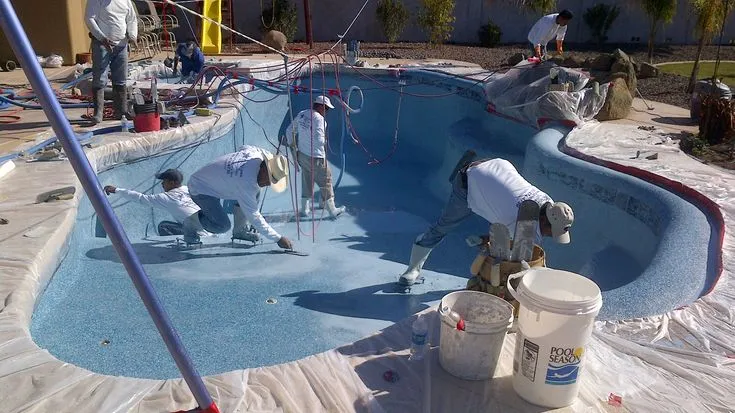
Swimming Pool Repair becomes necessary when a pool begins showing signs of structural damage, equipment failure, water loss, or safety concerns. While many pool owners focus on regular cleaning and maintenance, every swimming pool experiences wear and tear over time. Exposure to sunlight, changing temperatures, water chemistry, and daily use can slowly affect both the pool structure and its operating systems.
Understanding why pools need repairs can help homeowners identify issues early, reduce repair costs, and maintain a safe swimming environment. This guide explains the most common reasons pools require repairs, the warning signs to watch for, and practical ways to prevent costly damage.
Why Do Swimming Pools Need Emergency Repairs?
Emergency repairs are usually required when a problem threatens the safety, functionality, or structural integrity of the pool.
Common emergency situations include:
- Major water leaks
- Electrical system failures
- Broken plumbing lines
- Structural cracking
- Equipment shutdowns
- Pool overflow incidents
- Storm or flood damage
When these issues occur, immediate attention helps prevent additional damage and reduces long-term repair expenses.
Common Signs Your Pool Needs Immediate Repair
Most pools provide warning signs before major failures occur.
Signs that should never be ignored include:
- Rapid water loss
- Visible cracks
- Loose or missing tiles
- Rust stains
- Weak water circulation
- Unusual equipment noises
- Pump or filter failure
- Electrical malfunctions
- Uneven pool surfaces
Addressing these signs early often prevents emergency situations.
Structural Pool Problems
Structural issues are among the most serious repair concerns because they affect the overall stability of the pool.
Cracked Pool Shell Problems
A cracked shell can develop due to age, ground movement, poor construction, or shifting soil. Small cracks may appear harmless, but they can allow water to escape and gradually weaken the structure.
Structural Pool Damage
Structural damage often results from years of pressure, soil movement, and environmental stress. Signs include widening cracks, uneven surfaces, and water loss.
Pool Foundation Shifting and Ground Movement
Pools are built on carefully prepared foundations. When soil expands, contracts, or settles unevenly, the structure may shift.
Common causes include:
- Poor soil conditions
- Heavy rainfall
- Drought conditions
- Nearby construction activity
Earthquake-Related Pool Damage
In regions prone to seismic activity, earthquakes can create structural cracks and movement that require professional evaluation and repair.
Surface and Finish Damage
Pool surfaces endure constant exposure to water, chemicals, and weather conditions.
Pool Tile Damage and Loose Tiles
Tiles may loosen due to aging adhesive, water intrusion, or structural movement. Damaged tiles not only affect appearance but may indicate deeper issues behind the surface.
Pool Coping Damage
Pool coping protects the pool edge and creates a finished appearance. Cracks, chips, or movement in coping materials can create safety hazards and allow water penetration.
Concrete Pool Surface Cracks
Concrete pools naturally expand and contract over time. Repeated stress may eventually cause cracking that requires repair.
Pool Plaster Deterioration
Plaster serves as a protective coating for many pools. As it ages, it can become rough, stained, or begin to wear away.
Pool Surface Staining Issues
Stains may develop from minerals, metals, algae growth, or chemical imbalances. While some stains are cosmetic, others may indicate underlying maintenance concerns.
Pool Liner Tears and Punctures
Vinyl liners can become damaged from sharp objects, age, or excessive stretching.
Vinyl Pool Liner Damage
Common liner issues include:
- Wrinkles
- Fading
- Cracks
- Seam separation
- Punctures
Plumbing and Water Loss Issues
Many repair calls involve hidden plumbing problems.
Pool Leak Detection and Repair
Leaks are one of the most common causes of pool repairs. Even small leaks can waste significant amounts of water and increase utility costs.
Pool Plumbing Leaks
Underground plumbing lines may develop cracks or separation due to soil movement or aging materials.
Broken Pool Pipes
Broken pipes can reduce circulation, increase water loss, and create structural concerns around the pool area.
Pool Return Line Leaks
Return lines carry filtered water back into the pool. Damage to these lines often results in reduced efficiency and unexplained water loss.
Pool Drain Issues
Damaged or blocked drains can affect circulation and create operational problems.
Pool Water Loss Causes
Water loss can result from:
- Plumbing leaks
- Structural cracks
- Evaporation beyond normal levels
- Damaged fittings
- Overflow system failures
Pool Overflow Problems
Overflow systems help regulate water levels. When they fail, excess water may damage surrounding structures and landscaping.
Equipment and Mechanical Failures
Pool equipment works continuously to maintain water quality and circulation.
Pool Pump Failure
The pump is the heart of the pool system. Failure can lead to stagnant water, poor filtration, and chemical imbalance.
Pool Filter Malfunctions
Filters remove debris and contaminants. A malfunctioning filter reduces water clarity and increases strain on other equipment.
Pool Heater Problems
Pool heaters may fail because of corrosion, scale buildup, worn components, or electrical issues.
Pool Skimmer Damage
Skimmers remove surface debris before it reaches the filtration system. Cracks or damage can reduce performance.
Pool Valve Failure
Valves regulate water movement throughout the system. Faulty valves often lead to pressure issues and circulation problems.
Pool Pressure Problems
Abnormal pressure levels frequently indicate clogged filters, plumbing restrictions, or equipment failure.
Pool Suction Issues
Poor suction may result from air leaks, clogged lines, or damaged equipment.
Pool Water Circulation Problems
Proper circulation keeps water clean and balanced. Restricted circulation often leads to algae growth and equipment stress.
Pool Equipment Failure
Motors, timers, sensors, and control systems naturally wear down over time and may eventually require replacement.
Pool Automation System Problems
Modern pools often rely on automated controls. Software errors, wiring issues, and sensor failures can disrupt operation.
Environmental and Weather-Related Damage
Weather can significantly affect pool structures and equipment.
Freeze Damage to Pool Plumbing
Freezing temperatures can expand water inside pipes, causing cracks and ruptures.
Storm Damage to Swimming Pools
Severe storms may introduce debris, damage equipment, and impact structural components.
Flood Damage to Pools
Floodwaters often carry contaminants, sediment, and debris that can damage surfaces and mechanical systems.
Tree Root Damage to Pool Structures
Nearby trees may cause roots to grow beneath or around the pool, creating pressure that damages plumbing and structural elements.
Maintenance-Related Repair Issues
Many costly repairs are preventable through proper maintenance.
Poor Pool Maintenance Leading to Repairs
Neglected maintenance allows small issues to become major problems.
Chemical Imbalance Damage
Improper chemical levels can damage surfaces, equipment, and plumbing systems.
Corrosion of Pool Components
Metal components exposed to unbalanced water chemistry may corrode over time.
Rust Damage in Pool Systems
Rust can weaken equipment, stain surfaces, and reduce system reliability.
Aging Pool Infrastructure Problems
Older pools naturally experience wear in plumbing, finishes, and equipment.
Pool Seal Failure
Seals prevent water from escaping around fittings and equipment connections. Aging seals often become brittle and fail.
Pool Expansion Joint Damage
Expansion joints allow movement between surfaces. When damaged, they can permit water intrusion and structural deterioration.
Pool Equipment Wear and Tear
Continuous operation eventually affects every component, even with proper maintenance.
Neglected Pool Maintenance Mistakes
Common mistakes include:
- Ignoring small leaks
- Delaying equipment repairs
- Improper chemical balancing
- Skipping inspections
- Overlooking structural cracks
How Much Does Swimming Pool Repair Cost?
Swimming pool repair costs typically range from $150 to $20,000+ depending on the type and severity of the damage. Minor repairs often start around $150–$500, while major structural repairs can exceed $20,000 in some cases.
| Repair Type | Typical Cost Range (2026) |
|---|---|
| Minor Repairs | $150–$500 |
| Leak Repairs | $300–$1,500 |
| Equipment Repairs | $250–$2,000 |
| Plumbing Repairs | $500–$3,500 |
| Surface Repairs | $500–$5,000 |
| Major Structural Repairs | $2,000–$20,000+ |
Overall, final costs depend on damage level, pool size, materials used, and labor requirements.
For affordable and reliable solutions, you can explore our pool repair services and get expert help tailored to your needs.
How to Prevent Costly Pool Repairs
Preventive maintenance remains the most effective way to reduce repair expenses.
Best practices include:
- Schedule routine inspections
- Monitor water levels regularly
- Maintain balanced water chemistry
- Clean filters consistently
- Repair small issues promptly
- Protect equipment from severe weather
- Inspect tiles, coping, and surfaces annually
Early detection often saves thousands of dollars in future repairs.
When to Call an Emergency Pool Repair Professional
Professional assistance should be sought immediately when you notice:
- Rapid water loss
- Large structural cracks
- Electrical hazards
- Equipment shutdowns
- Major plumbing leaks
- Flood or storm damage
- Unsafe pool conditions
Attempting to repair serious issues without proper knowledge may worsen the damage and increase repair costs.
Conclusion
Swimming pool repair is often needed due to structural damage, plumbing issues, equipment failures, or normal wear and tear. Identifying problems early can help prevent more expensive repairs and keep your pool safe and functional.
If you notice signs of damage, contact our team for professional assistance. Schedule an inspection today to protect your pool and avoid costly future repairs.
For expert service and reliable solutions, visit Paradium Pools.