
A pool doesn’t stop working overnight. It fades a little every summer, the tile chips here and there, the lights dim earlier each season, until one day you realize the backyard you used to love spending evenings in has become something you just maintain instead of enjoy. Most homeowners live with this slow decline far longer than they need to, simply because a remodel doesn’t feel urgent until the pool starts costing more in repairs, chemicals, and energy than it would to actually fix the root problem.
This guide covers what pool remodeling and renovation actually involves, how to think through the different upgrade options, and what separates a renovation that solves the real problem from one that’s just a surface-level patch job. For a closer look at the full range of options and how the process works, this pool remodel and renovation service breaks down what’s available, but here’s what every homeowner should understand first.
What Pool Remodeling and Renovation Actually Involves
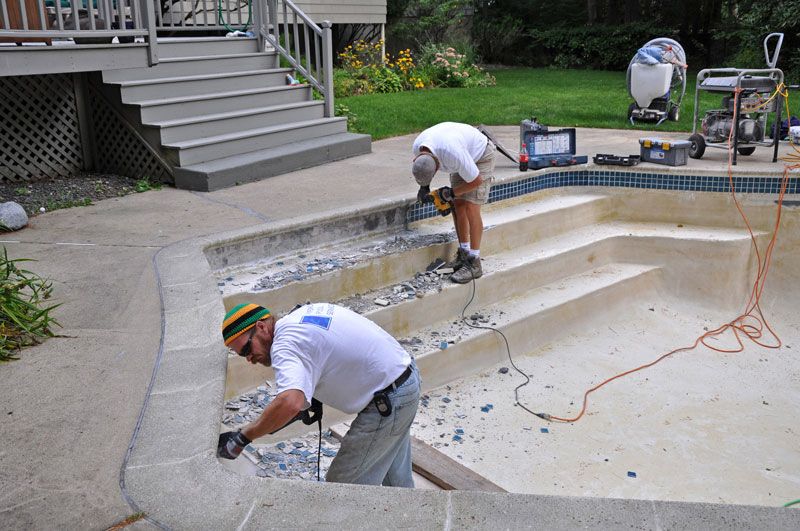
Pool remodeling and renovation covers the inspection, design planning, material selection, and professional execution of upgrades meant to fix specific problems with an aging pool, whether that’s a rough finish, cracked tile, outdated lighting, or a design that no longer fits how the family actually uses the space. This spans a wide range of work, including resurfacing, tile and coping replacement, LED lighting upgrades, water feature additions, and surrounding deck improvements.
The scope of the renovation matters more than it might seem. A pool that only gets a surface-level cosmetic fix while the underlying finish or plumbing issues are ignored will keep showing the same problems within a year or two. Getting the diagnosis and scope right upfront is what separates a renovation that actually lasts from one that just looks better for a season.
Why the Right Renovation Choice Matters Beyond Looks
It’s easy to think of a pool remodel as mostly a cosmetic upgrade, but the functional differences between renovation choices have a real impact on long-term cost and enjoyment. A worn plaster finish that’s gone rough and chalky isn’t just an eyesore, it’s actively harder on skin and feet, and it usually means the surface is past the point where balancing chemicals alone can fix the water quality. Upgrading to a modern pebble or quartz finish solves both the look and the underlying wear issue at once.
Beyond the surface, renovation choices also affect ongoing costs. Older incandescent pool lighting draws far more energy and burns out more often than modern LED systems, and outdated tile or coping can crack further and let water seep behind the pool shell if left unaddressed. Addressing these during a renovation, rather than patching around them, is usually what determines whether the pool stays trouble-free for the next decade or needs repeated fixes.
Pool Remodeling Myths vs. Reality
Because a remodel can range from a small tile swap to a full transformation, a lot of assumptions circulate that don’t hold up once you understand what each upgrade actually does.
| Myth | Reality |
|---|---|
| “Resurfacing is just about making the pool look new again.” | A worn finish is often the reason for chalky water and rough texture underfoot, so resurfacing usually solves a functional problem, not just a cosmetic one. |
| “Any renovation adds roughly the same value to the home.” | The scope and quality of the work matters, a full modernization with updated finish, tile, and lighting adds noticeably more value than a partial patch job. |
| “LED lighting upgrades are mostly a decorative extra.” | LED systems use significantly less energy than older lighting and typically last far longer, making the upgrade a practical cost decision as much as an aesthetic one. |
| “A pool only needs a remodel once it’s visibly falling apart.” | Addressing an aging finish or fixture before it fully fails usually costs less and prevents further damage to the surrounding structure. |
| “Deck and surrounding area updates aren’t really part of a pool renovation.” | The deck and surrounding hardscape directly affect the pool’s overall look and function, and updating them together usually gives a more cohesive, lasting result. |
| “A full pool replacement is the only way to fix an outdated design.” | Most design and functionality issues, from tanning ledges to water features, can be added through renovation without the cost of building an entirely new pool. |
Common Renovation Upgrades and What They’re Actually Best For
Not every upgrade solves the same problem, and understanding what each is designed for helps match the right renovation to the pool’s actual condition.
Resurfacing — Addresses a rough, faded, or stained finish, restoring both appearance and the smooth surface texture that affects water quality and comfort.
Tile and coping replacement — Fixes cracked or missing tile that can let water behind the pool shell, while also modernizing the pool’s overall visual style.
LED lighting upgrades — Reduces energy use and adds color-changing capability, well suited for homeowners who use their pool in the evening or for entertaining.
Water feature additions — Adds a focal point like a waterfall or deck jet, ideal for homeowners looking to elevate the backyard’s overall feel without a full rebuild.
Deck resurfacing and expansion — Improves the surrounding area’s durability and usability, particularly valuable when the deck has cracked or no longer fits how the space is used.
Design and layout updates — Adds features like tanning ledges or updated steps, best for families whose needs have changed since the pool was originally built.
Questions Worth Asking Before Starting a Pool Renovation
Given how much the right scope affects long-term cost and satisfaction, a few direct questions upfront help match the renovation to the pool’s actual condition.
- Is the current problem mainly cosmetic, or is the finish, tile, or plumbing showing signs of real wear underneath?
- Would upgrading the lighting meaningfully reduce ongoing energy costs given how often the pool is used in the evening?
- Does the surrounding deck need attention at the same time, so the finished result looks cohesive rather than mismatched?
- Has the family’s use of the pool changed enough that a layout or feature update, not just a surface refresh, would add more long-term value?
A consultation that walks through these specifics rather than defaulting to the same standard fix is usually the one that results in a renovation that actually solves the pool’s particular problem.
Frequently Asked Questions
How do I know if my pool needs resurfacing? If the finish feels rough or chalky, the water is harder to keep balanced than it used to be, or the surface shows visible staining, resurfacing is usually the underlying fix needed.
Is upgrading pool lighting really worth the cost? Yes, LED systems use significantly less energy and last considerably longer than older incandescent lighting, making the upgrade a practical decision beyond just the aesthetic benefit.
Can a renovation add features that weren’t in the original pool design? Yes, tanning ledges, water features, and updated steps can typically be added during a renovation without needing to rebuild the pool from scratch.
Does the deck need to be renovated at the same time as the pool? Not always, but addressing both together usually gives a more cohesive result, especially if the deck is already showing cracks or wear.
How much value does a pool renovation add to a home? This depends on the scope of the work, though a full modernization with updated finish, tile, and lighting typically adds more value than a partial or purely cosmetic fix.
Choosing a Renovation That Actually Solves Your Pool’s Problem
A pool renovation works best when the scope is matched to what the pool actually needs, whether that’s resolving a worn finish, replacing cracked tile before it causes further damage, or updating the design to fit how the family uses the space today. Choosing based on appearance alone, without addressing the underlying wear, is how homeowners end up redoing the same work again within a few years.
If you’re weighing renovation options for your pool, it’s worth starting with a clear picture of what the pool actually needs rather than defaulting to a standard cosmetic fix. Paradium Pools has helped homeowners transform outdated pools into backyard spaces they actually enjoy using again.